

Erin Schuette
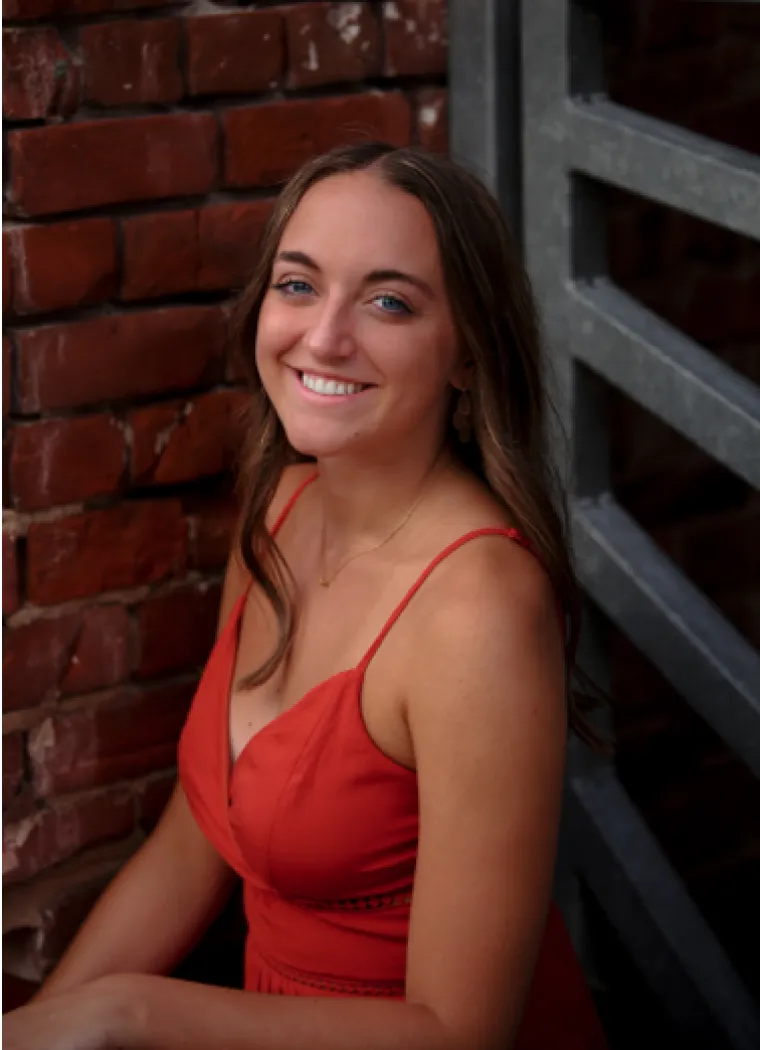
Major & Minor
Major: Biochemistry
Minors: Health and Human Values, Biology
Hometown
Omaha, NE
What made you choose your science major at this school?
- Split interest between biology and chemistry, so I did the best of both worlds with biochemistry
How hard were the intro science classes compared to high school?
- There was definitely an elevated amount of work, but overall the tests and concepts were not much more difficult
Do professors actually teach, or are most classes taught by TAs?
- Professors did almost all of the lecturing, but I usually had a question answered by a TA or preceptor
How easy is it to get help if you’re struggling in a science class?
- Very easy - the teachers are very open in the beginning about tutoring opportunities (which we also receive emails about), SI sessions, preceptor and TA office hours, and professor office hours
When can students start doing research (freshman year or later)?
- Freshman year
How did you get involved in research or labs?
- I talked to preceptors, TA's, and other professors for advice on labs that would be good and looking for students
Are research opportunities competitive or fairly accessible?
- Accessible for credit or volunteer work, more competitive if paid or grant-funded positions
Do students get paid for research or is it mostly for credit?
- Mostly for credit, summer programs are more likely to have funding
What does a typical week look like for a science major?
3-4 classes with lectures, a lab or 2 (3 hour labs), atleast going to an office hour or review session, 9-10 hours per week spent at the library studying or doing homework, club meetings, 9-10 hours of research per week
How much time do you actually spend studying?
- 5 hours a week per exam
What’s the hardest science class you’ve taken—and why?
- Vector calculus - combination of content and the way it was taught
What do you wish you had known before coming here?
- Make as many connections with preceptors, TA's, professors, and fellow students as possible, you never know what types of relationships could be beneficial or personally important in the long run
What clubs and/or organizations are you involved with?
- Women in Medicine and STEM, CBC Ambassadors, EveryBODY Arizona, LINKS Junior Honorary, Phi Delta Epsilon
What are your future plans after graduation?
- Attend University of Arizona College of Medicine-Tucson